

If you've had any proposals from potential website developers, I'm sure you've probably seen a few that look like a restaurant menu full of dishes you've never heard of. I mean WTF is a “parallax-enhanced hero module with dynamic viewport interactions” — and why should you care?
Half the industry hides behind jargon because it makes a basic website sound like a NASA project. The truth is far simpler: most of those “features” either come baked into modern tools already, add nothing to your bottom line, or are thrown in to justify a higher price tag.
A solid web design package isn’t built on buzzwords. It’s built on the small number of things that actually help your business (things like clear messaging, simple user experience and a layout that guides visitors to take action.
Everything else — the animations, the widgets, the “AI-powered chat bot” — is just dressing on the plate. Looks nice, doesn’t change much.
The goal of your website is simple: help someone understand what you do, trust you, and get in touch. If a feature doesn’t push that outcome forward, it’s fluff.
Let's break down what a standard small-to-medium business website package should include, and what's just fluff:
The essentials
These are the non-negotiables. If a web designer doesn't offer these, you’re not buying a business tool — you’re buying a pretty picture.
1. Clear strategy and messaging
A website that “looks nice” but doesn’t say the right things to the right people will convert about as well as a billboard in your back garden.
You need a clear understanding of your offer, and messaging that speaks to your client’s problem.
It doesn't mean you need to have countless hours of corporate-speak-ladened "strategy meetings'" and over-the-top user journey mappings derived from expensive marketing research. All it really means is that the person or team designing your website knows your business, knows your customers and knows what needs to be done to put those two things together.
That's it. Simple.
2. Custom design with real UX thinking
"Design is art applied to problem-solving" - Dylan Field (Co-founder and CEO of Figma)
Design isn’t just decoration. It’s about making sure visitors instantly understand who you are, what you do, and why they should care.
This means no Cheap-Charlie templates that a thousand businesses have already recycled. Your website should be as unique as your business. If you have the same boring Wordpress template as every other accountant firm in town then what's setting you apart from them?
No, you don't need crazy elaborate designs, custom fonts and a dozen animations flying around the screen like a Marvel movie — but even a basic website needs a thoughtful design to suit your brand, and a clean, intentional layout designed to flow your visitors naturally towards getting in touch with you.
Want an example? Take a look at the homepage we built for Scoffs Group — the UK’s largest Costa Coffee franchise operator:
Notice how the layout pulls visitors through the brand’s story and straight to getting in touch, without making them figure anything out for themselves.
A good package should include page layouts tailored to your business, not recycled templates with your logo swapped in (you could have done that yourself and saved the money). A generic website means a generic business (read: commodity) in the eyes of your potential customers.
3. Proper development (not a patchwork of plugins)
Your site should load fast, work on every device, and be easy for you to update.
In order for that to happen, you need a clean, lightweight build, and mobile responsiveness as standard. If any web design company is charging extra for responsiveness, that's a red flag. It's 2025, most of us browse the web on our mobile devices, so you shouldn't be paying extra for that.
You don't want a site that depends on a dozen different plugins to do something that any basic developer should be able to code upside down in their sleep. Relying on too many points of failure is a house of cards just waiting to fall down on the next Wordpress update.
Lastly, if your package doesn't include edits handled by the developer, then you'll need a Content Management System (CMS) so you can make changes yourself — and this should be set up to be incredibly simple and easy for you to use. You shouldn't need a degree in HTML and CSS to upload a new staff photo or change a heading.
4. Core SEO fundamentals
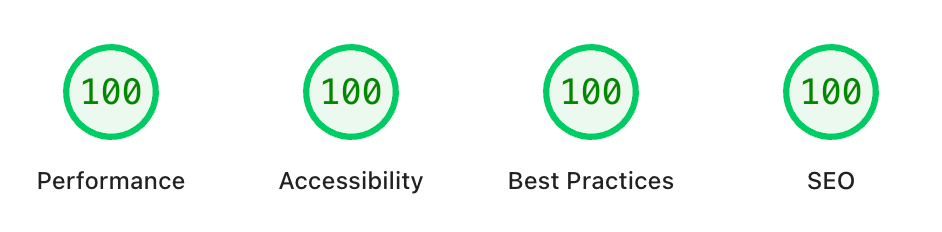
You don’t need “enterprise SEO” to get discovered (that costs thousands of pounds per month), but you do need the basics:
- Proper headings
- Clear page structure
- Optimised meta tags
- Internal linking
- Image optimisation
- Local SEO setup (if relevant)
Any developer worth their salt will be doing most (if not all) of the above by default, so if a potential provider looks at your blankly when you mention these — run a mile!
5. A clear call-to-action system
Your website’s job is simple: turn strangers into conversations. Your package should include:
- A primary CTA (call, message, book a call)
- Simple forms that actually work
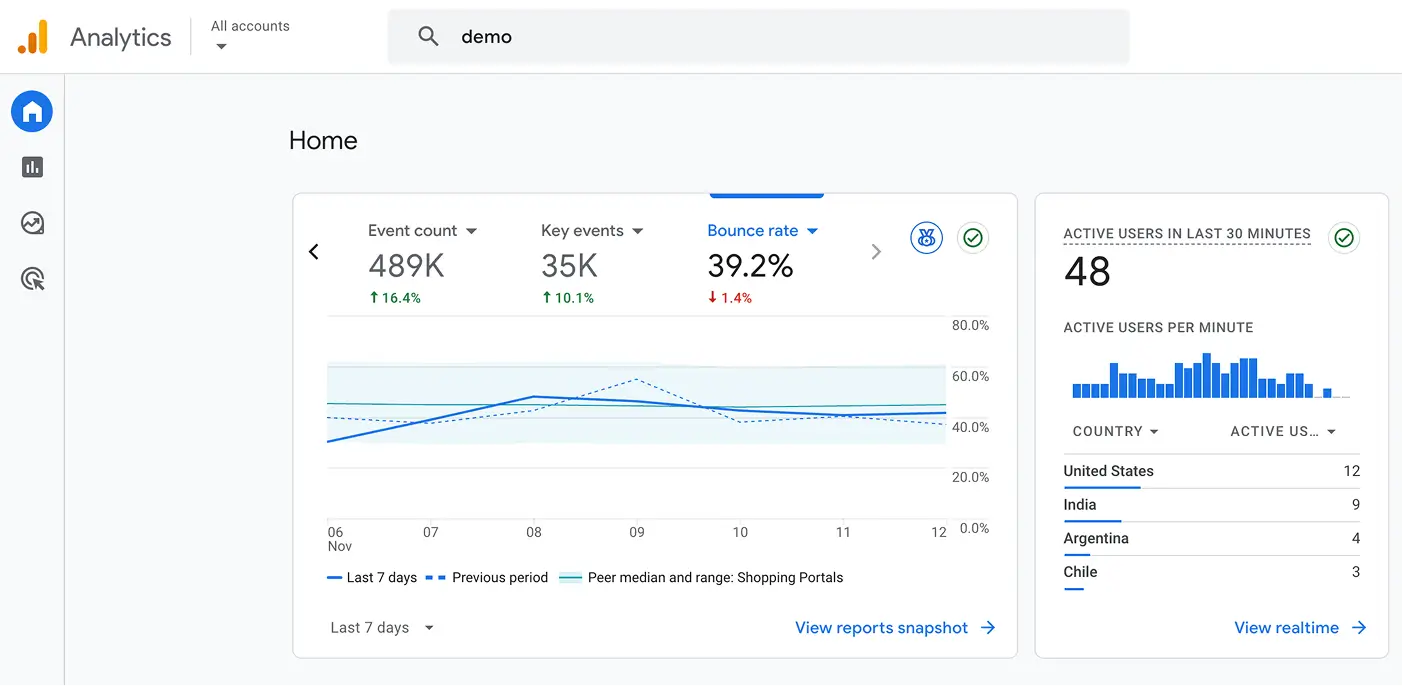
- Analytics/tracking so you know what does and doesn't convert (this helps you make changes going forward to keep up with what your prospects want)
If your site is like a mosaic of buttons all going to different places, or if it's not clear how to get in touch, it's failing at it's most basic role within your business.
This is crucial.
6. Support and basic training
At minimum, you should expect your provider to help with connecting your domain to the new site, and handover the site to you properly with full documentation. You should also expect at least some guidance on how to update your content (if you have to do it yourself — hint: we don't make you do that 😉).
Really though, you should be paying for some sort of ongoing maintenance to ensure your site stays up to date and problem-free.
If a designer washes their hands of you and disappears the moment the site goes live, that’s a big no-no.
Valuable add-ons (worth paying for depending on your goals)
These aren’t essentials for every business, but they often deliver real ROI when used well.
1. Professional copywriting
You may be tempted to write your website's content yourself to save some money — but unless you have a marketing or writing background, you might end up writing an essay instead of an ad. You're paying for a website, why skimp on the bit that your visitors are actually going to read.
A copywriter writes to sell. If clarity, persuasion, or confidence is missing from your site — this matters.
We include this as standard on all of our website packages, because the messaging is arguable the most important part of your website.
2. Ongoing hosting and maintenance
Yes, you'll save some money if you host the site yourself, but what are you going to do if it falls over on a Thursday afternoon because an automatic plug-in update failed? Who’s keeping your JavaScript libraries patched against newly discovered vulnerabilities?
You (probably) don't repair your own company vehicles, or clean out your own air-con units, so you should probably trust a professional to make sure your website stays online, secure and selling your business.
It’s peace of mind.
Hosting & maintenance is usually rolled into any ongoing website package (it is in ours), but make sure to ask about it if it's not mentioned.
3. Monthly SEO and analytics
SEO is it's own discipline entirely, and most website providers won't be offering full-fledged SEO services like link-building, PR, guest-posting and ongoing campaigns (these can cost thousands of pounds per month). They may still however offer the smaller, high-impact bits that keep you moving in the right direction.
This might include:
- Local SEO adjustments (Google Business Profile, and other business directories)
- Blog content
- Improvements based on analytics information
- Conversion tweaks
- A/B split testing
This is where a website becomes a dynamic and evolving asset rather than something that sits still.
4. Photography and videography
Everyone's savvy to stock photos these days. It makes your business look cheap and generic.
If you want trust: show your actual team, your work, and your process.
You don’t have to hire a pro — your smartphone camera is perfectly capable if you follow a few basic guidelines — but it doesn’t hurt to have an experienced photographer spend a day capturing what makes your business unique.
The fluff you shouldn’t pay extra for

These are the fancy-sounding extras that either:
A) Don’t matter
B) Should be included anyway
C) Add no real business value
1. “Unlimited revisions”
This sounds generous, but usually means the designer has no process.
Good designers set clear revision rounds so the project actually moves forward.
1-3 revisions (we do 2) is plenty to nail your website within the deadline.
2. A long list of “premium plugins”
Translation: “We threw 20 plugins at your site and hope none of them explode.”
This is a maintenance nightmare, not a feature.
3. “SEO-ready website” without specifics
Every website is technically “SEO ready.”
That phrase means nothing unless the designer outlines what SEO work they actually do.
4. Analytics dashboards you’ll never use
Custom dashboards are great… unless they’re full of numbers you don’t understand or need.
A simple monthly update with plain-English insights is far more useful.
5. AI chatbots, heatmaps, and other shiny tools
If your website isn't loading within 2-3 seconds, or doesn’t have clear messaging, strong CTAs and solid design, then heatmaps aren’t going to save you.
You shouldn't really be wasting your time with heatmaps anyway — that's for your web provider to do. You just need to know if your website is doing it's job or not — let them handle the "how".
AI chatbots seem cool, until you realise how much you hate dealing with them yourself. Yeah — everyone else feels like that too. It's the 2025 version of the IVR ("press 1 for sales, press 2 for accounts, please hold"). Sure they can be useful, but mainly for larger businesses with a ton of incoming queries or robust systems on the back-end for the chatbot to interact with.
For your small-to-medium service business, it just feels cold and like you're trying to appear bigger than you are — which ironically makes you look smaller.
Not to mention these things just hallucinate and get stuff wrong all the time. Imagine it quotes a customer £100 for a £3,000 roofing job — what are you going to do then?
Fundamentals first. Fancy tools later.
So what should you actually look for?
A web design package worth paying for is built around one aim: getting you more business.
It should be:
- Strategic
- Clear
- Fast
- Search-friendly
- Easy to update
- Built to convert
And it should come from someone who understands service businesses — not someone who wants to sell you animations to flex their own design-skills and make you pay for it.
If you want your site to work harder for you, choose a company who focuses on outcomes, not ornamentation. Like us 😉

.svg)